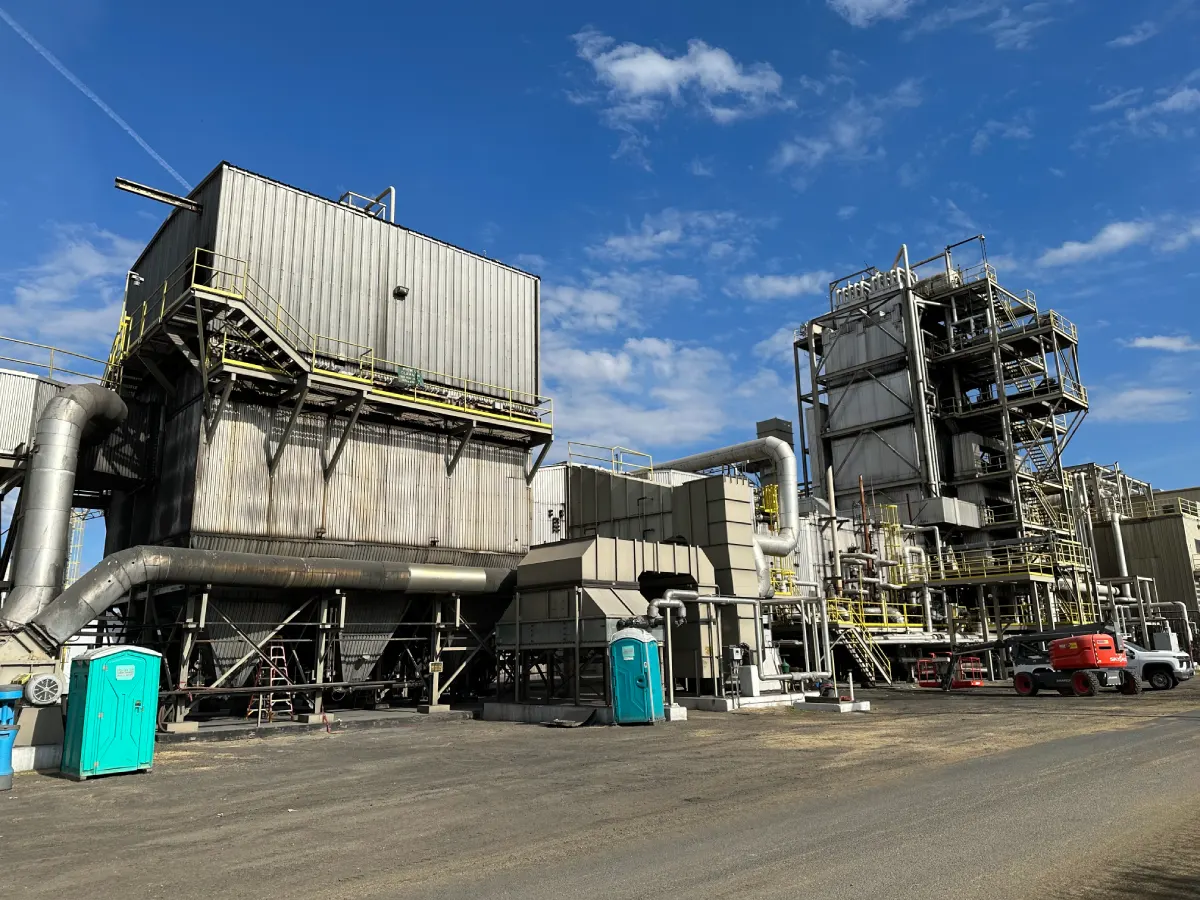
A cornerstone of the rice industry since 1988. We transform rice hulls into the clean energy that responsibly powers the region. Our Zero Liquid Discharge facility ensures minimal environmental impact.
This is the space where innovation meets tradition. Located in the heart of the rice-growing region.
MEASURABLE
DIFFERENCE
Clean energy capacity powering local communities daily.
0 MW
Tons of rice hulls processed annually.
0
of reliable, clean energy generation.
0 Years
Indirect jobs for the local community
0
Our facility operates continuously, processing rice hulls and generating electricity 24 hours a day, 7 days a week. This consistent operation ensures reliable renewable energy delivery to the grid and stable demand for rice industry byproducts.
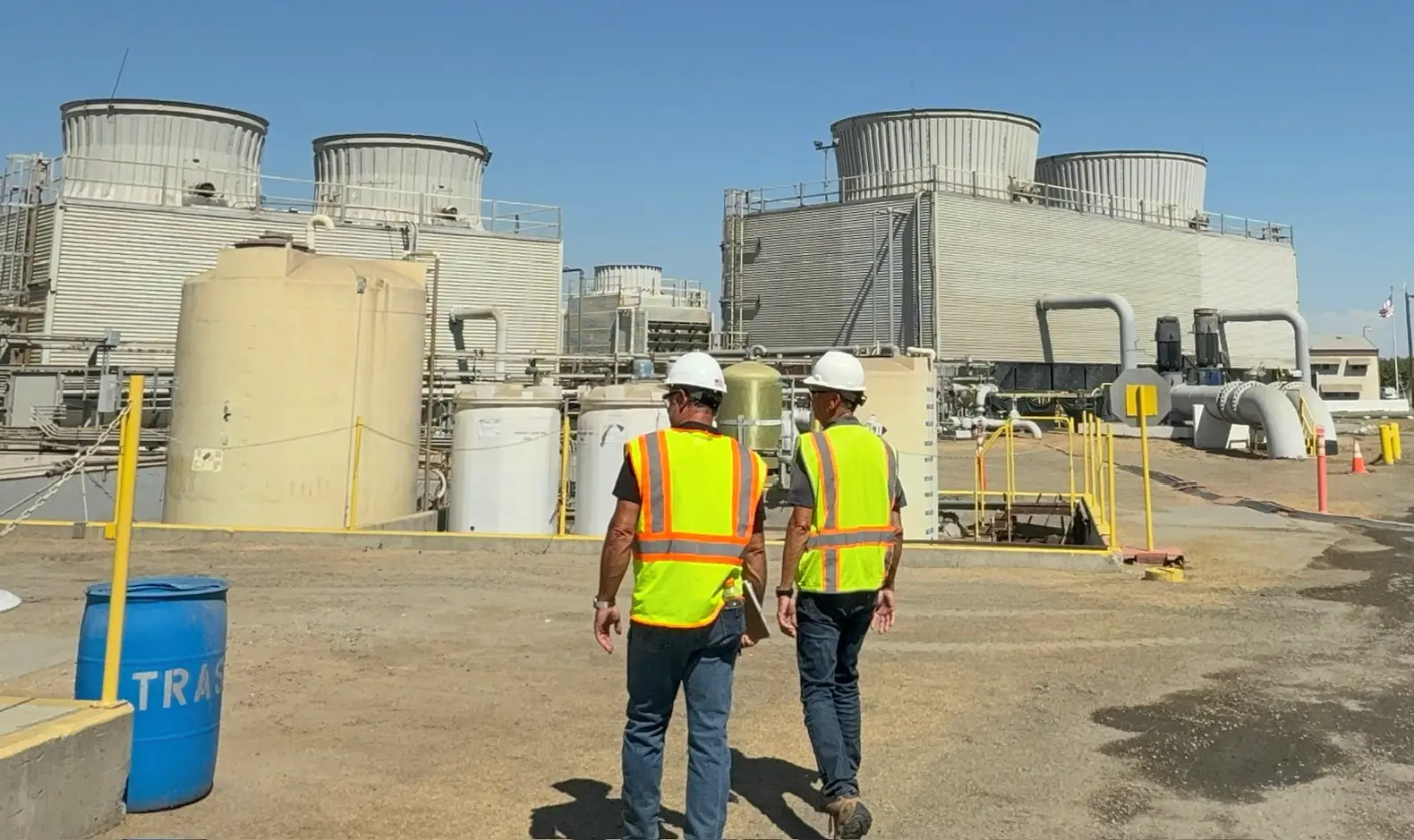
We employ advanced combustion technology and emissions control systems that exceed environmental standards, demonstrating that renewable energy can be both clean and efficient.
Our Mission
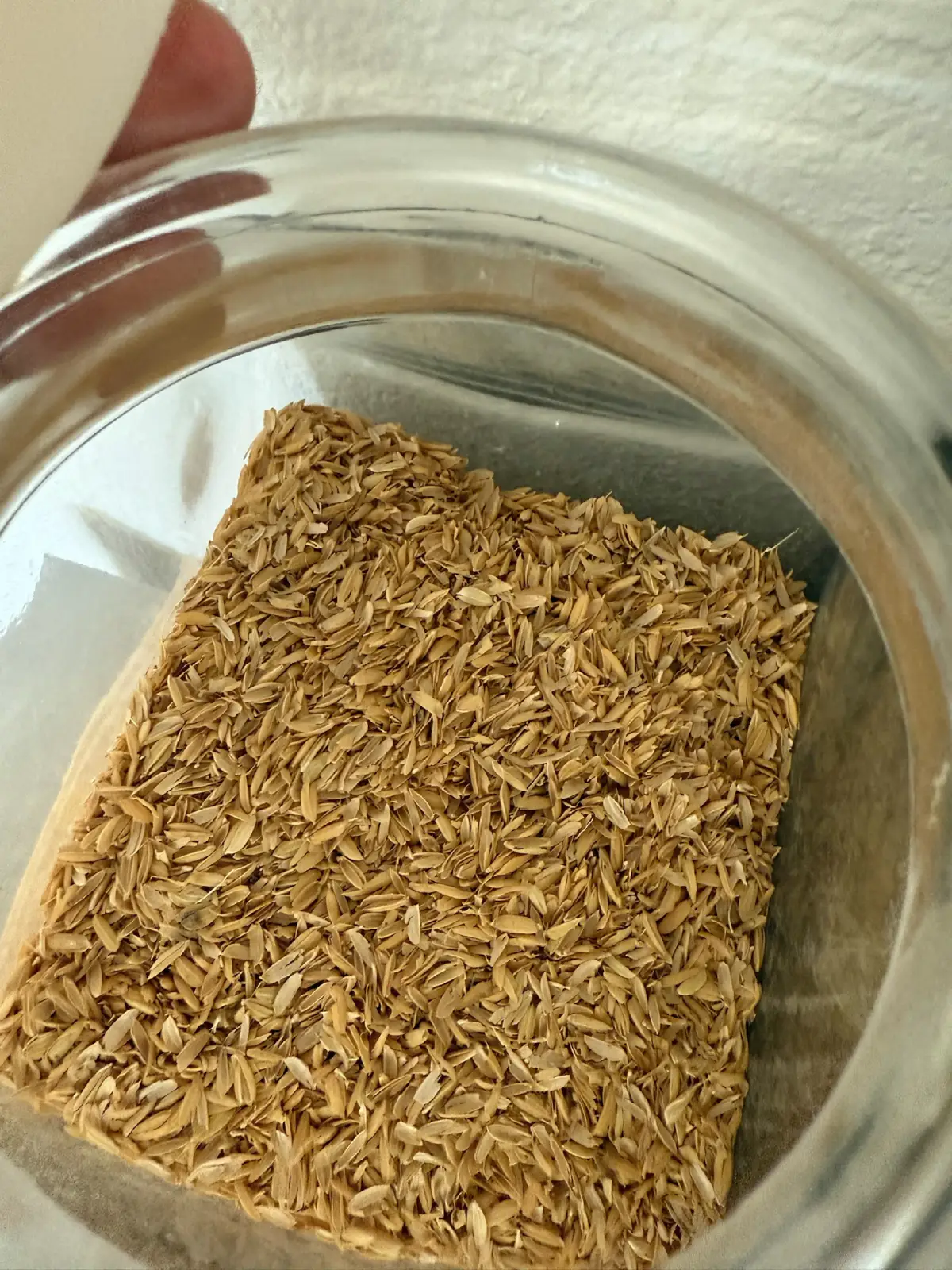
Wadham Energy LP has been a cornerstone of the rice industry since 1988. Our biomass power plant harnesses the energy potential locked within rice hulls, the byproduct of rice processing, transforming what was once waste into clean, reliable electricity for the region.
We exist to provide the rice industry with a reliable, sustainable solution for processing rice hulls—the byproduct of rice milling. For over three decades, we’ve been the regional leader in converting this valuable resource into clean, baseload electricity.
Our facility transforms rice hulls into power that strengthens California’s energy grid while supporting the economic vitality of the rice-growing region. We’re not just an energy provider—we’re a cornerstone of the rice industry.
The Rice Industry Partnership
Northern California produces over 500,000 acres of rice annually, generating substantial rice hulls as a byproduct of milling. Our partnership with local mills and farmers creates a sustainable cycle that benefits the entire industry.
Mills Benefit
We purchase rice hulls directly from mills, providing a valuable outlet for a byproduct and supporting the economic efficiency of rice processing operations.
Community Gains
Local communities enjoy cleaner air quality and reliable renewable energy generation.
Environment Wins
Eliminating open-field burning reduces greenhouse gas emissions and particulate matter.
Strategic Location
Situated in Colusa County, the heart of California’s rice-growing region, our location is no accident. We’re positioned at the center of one of the most productive agricultural areas in the nation.
This proximity to rice mills and processing facilities ensures a steady supply of rice hulls and minimizes transportation costs. We’re deeply integrated into the regional rice industry, supporting farmers and mills while generating clean power.
Steps
The Process
We’ve engineered a seamless cycle that returns value to the earth. From harvest to kilowatt, every step is optimized for sustainability.
01
Biomass Intake
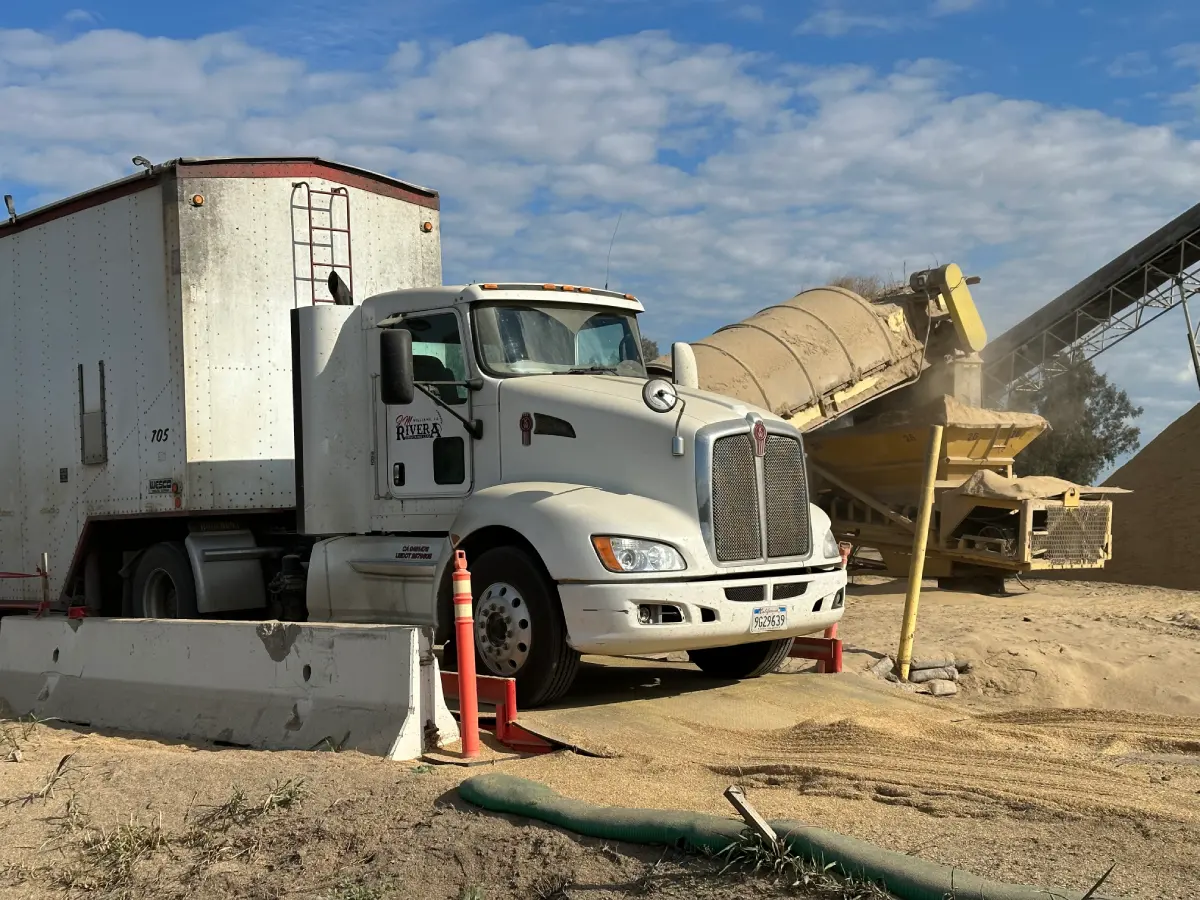
Rice hulls from the Sacramento Valley’s paddies is delivered to the plant by trucks. It undergoes initial inspection for quality and contaminants before being accepted.
02
Fuel Storage
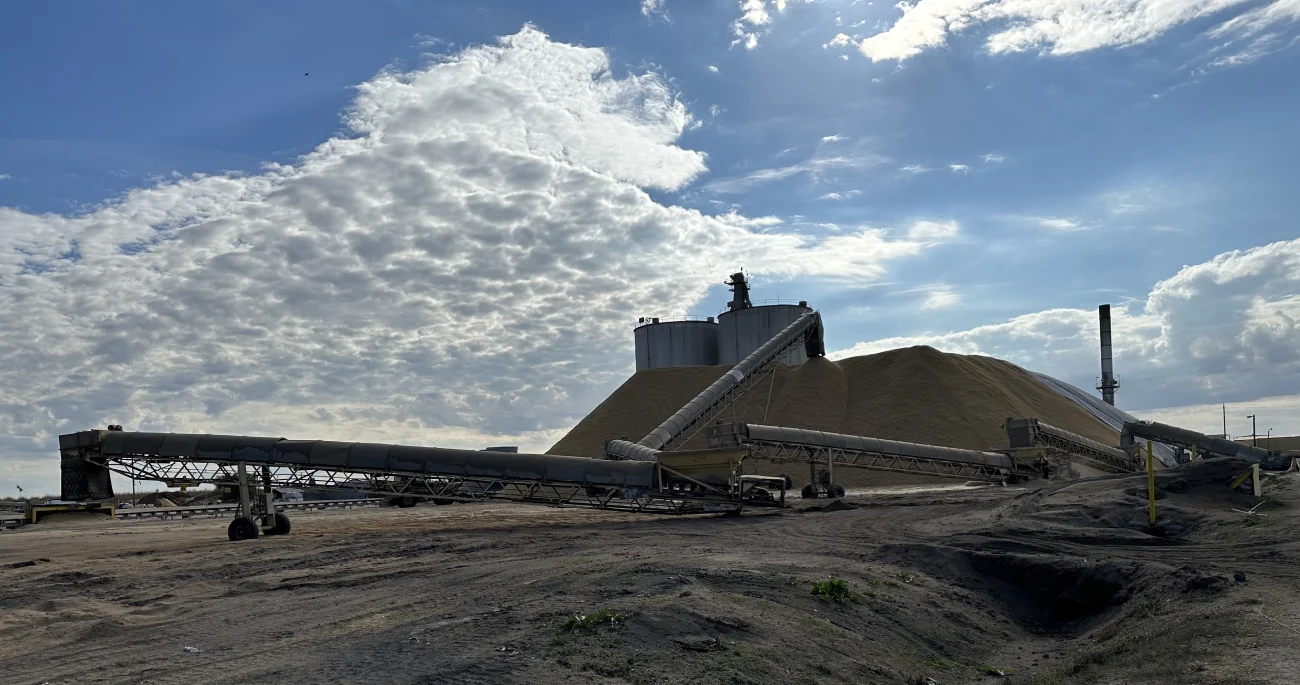
Accepted biomass is moved to our fuel pads and silos. Our on-site storage ensures a consistent, uninterrupted supply for continuous power generation.
03
Fuel Processing & Grinding
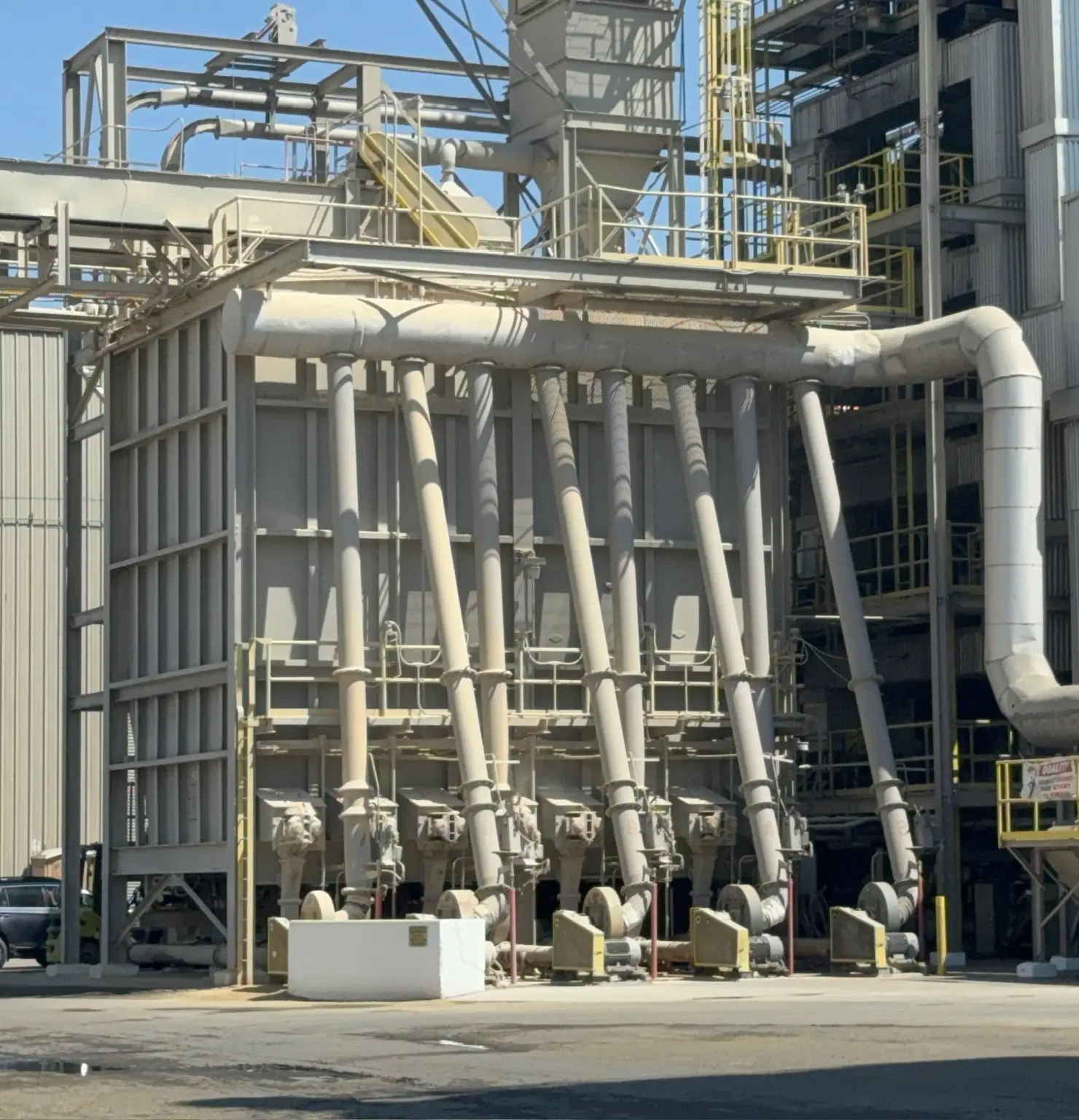
Stored biomass is fed into industrial grinders and shredders. This process reduces the particle size, optimizing the fuel for efficient and complete combustion in the boiler.
04
Boiler Fuel Feed
The processed biomass is transported from the storage and processing areas to the boiler’s combustion chamber, where it is fired to boil water and make steam.
05
Power Generation
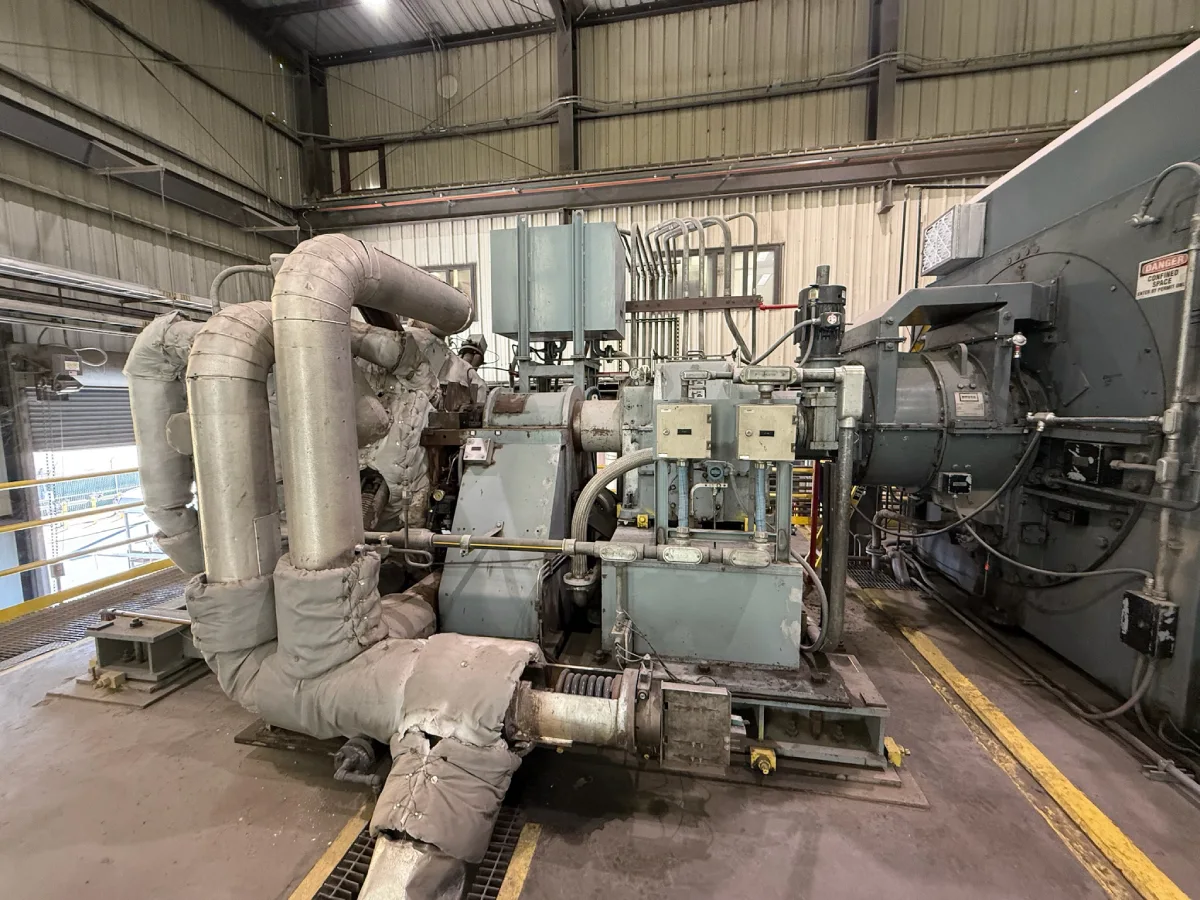
The steam is used to spin a turbine that is connected to a generator, producing clean energy for the region. The multi-stage design and careful engineering allows us to turn 93% of the energy in the steam into power.
06
Power Distribution
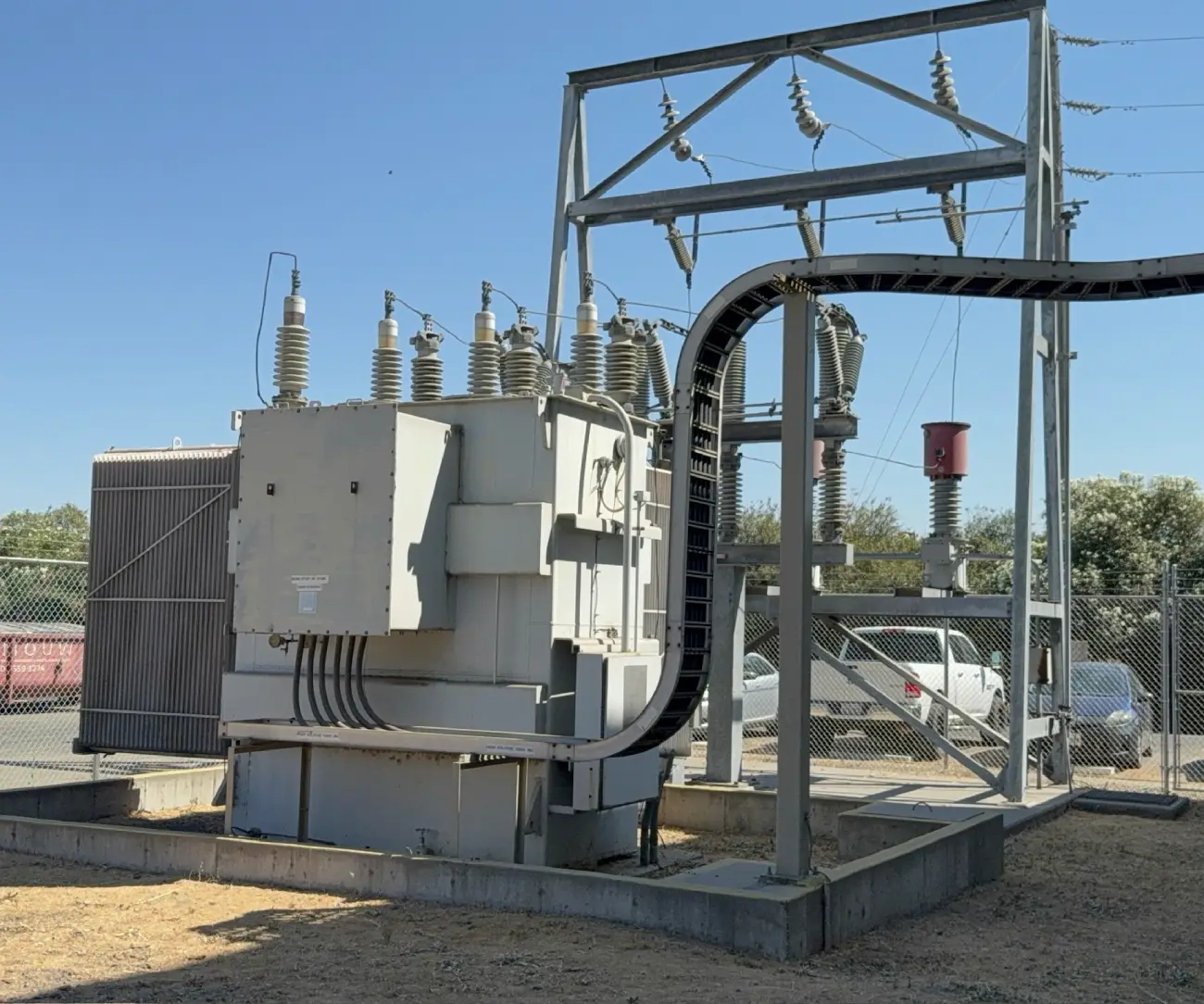
The generated energy is reduced in voltage and feeds our on-site equipment. The remaining power gets passed through our high voltage transformers, sending >60kV onto the local grid.
07
Ash Management
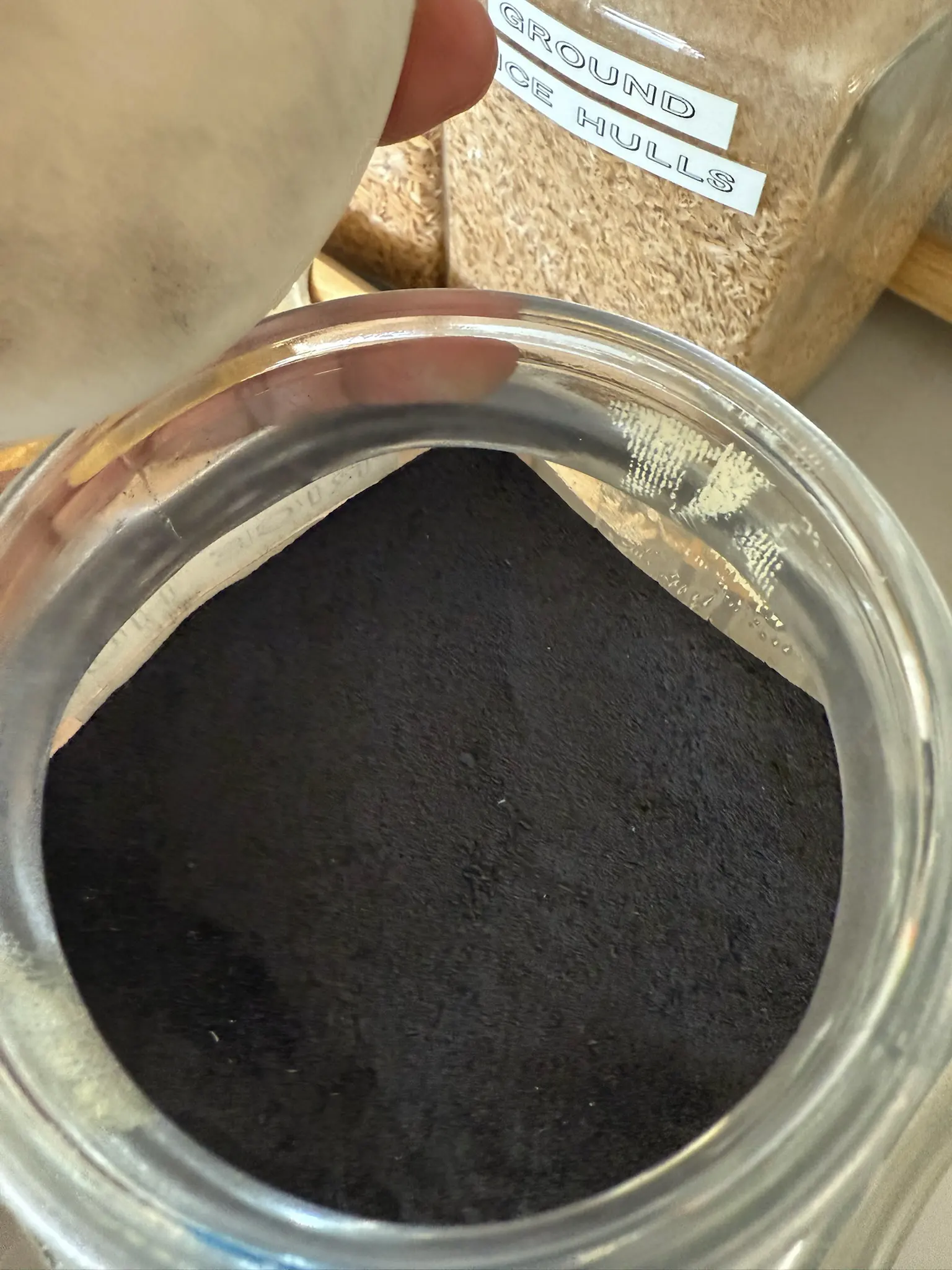
The non-toxic ash made by our process is collected and sustainably recycled or provided to regional industries that can use it as a chemical feedstock.
POWER THE
FUTURE
Join us in our commitment to a cleaner, sustainable California through renewable energy innovation.